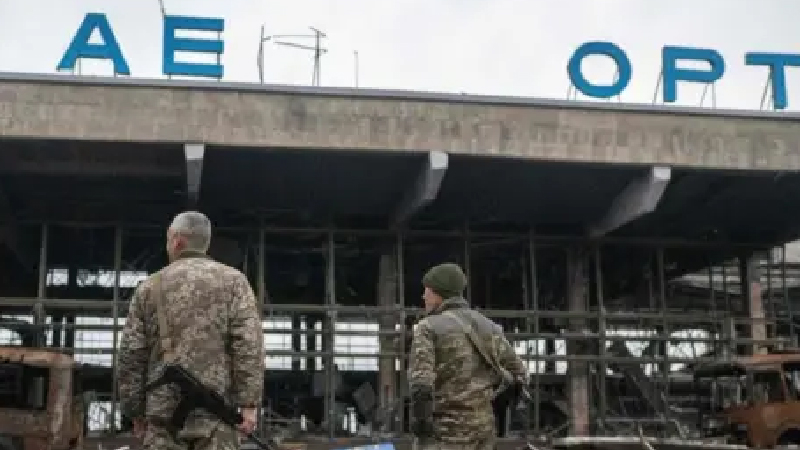
The Economic Fallout of the Ukraine War: Global Ripple Effects
The war in Ukraine has sent shockwaves through the global economy, disrupting trade, supply chains, and financial markets. As a critical exporter of grains, metals, and energy resources, Ukraine's reduced production has led to global shortages and skyrocketing prices. Meanwhile, sanctions on Russia have further strained international economic relations, causing ripple effects across industries.
Energy Crisis in Europe
Europe has been hit hardest by the energy fallout. With Russia cutting off natural gas supplies to many European countries, energy prices have surged, and governments are scrambling to secure alternative sources. Countries like Germany and France have turned to liquefied natural gas (LNG) imports, while others are ramping up investments in renewable energy to reduce dependence on Russian gas.
Food Security at Risk
Ukraine is one of the world’s largest exporters of wheat and sunflower oil, and the war has severely disrupted these exports. This has caused food prices to spike, particularly in developing nations that rely heavily on imports. The United Nations warns that the prolonged disruption could lead to a global food crisis, pushing millions into hunger and poverty.
Global Inflation and Economic Uncertainty
Inflation rates have surged worldwide, driven by higher energy and food costs. Central banks are raising interest rates to combat inflation, but this has created challenges for businesses and consumers. Economists warn that the prolonged conflict could lead to a global recession, with developing nations bearing the brunt of the impact.
The economic fallout of the Ukraine war underscores the interconnectedness of global markets and highlights the urgent need for diplomatic solutions to bring stability to the region and beyond.