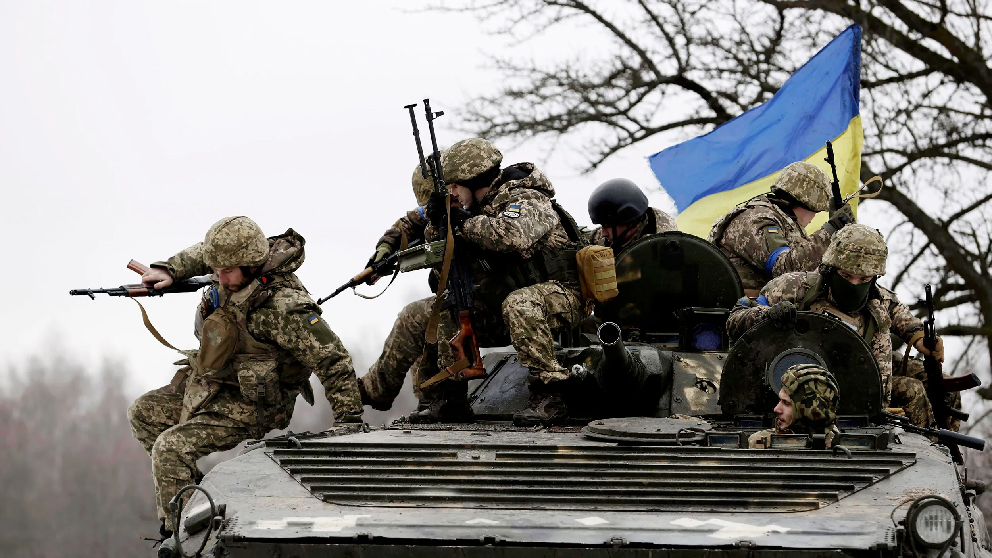
Ukraine War: Key Updates as Conflict Enters Another Year
As 2025 unfolds, the war in Ukraine, now entering its second year, continues to have profound implications not only for the region but for the world at large. What began as a regional conflict has escalated into a global crisis, involving major powers and affecting millions of lives. As the conflict persists, key updates provide a glimpse into the ongoing situation, with no clear resolution in sight. Here’s a closer look at the latest developments as the Ukraine war enters another year.
Escalating Fighting on Multiple Fronts
The war in Ukraine has seen intense fighting in the Donbas region and along the eastern frontlines. In recent months, Ukrainian forces have mounted counteroffensives in an effort to reclaim territory held by Russian-backed separatists. Meanwhile, Russia has continued its military operations, including air strikes on Ukrainian cities and infrastructure. The battle for control of key cities, including Mariupol and Donetsk, has been fierce, with heavy casualties on both sides.
Despite significant international support for Ukraine, the conflict remains at a stalemate in many areas. The frontlines have shifted only marginally, and while there have been victories for both sides, neither is on the verge of a decisive military victory. The war shows little sign of abating, and the toll on both civilians and military personnel continues to rise.
Humanitarian Crisis Deepens
The humanitarian situation in Ukraine remains dire. Millions of people have been displaced by the violence, with refugees flooding neighboring countries and seeking asylum in Europe. According to the United Nations, over 6 million Ukrainians have fled the country, and millions more are internally displaced. Cities across Ukraine have been heavily damaged by artillery fire and airstrikes, leaving families without homes, food, or basic services.
Humanitarian organizations continue to struggle to deliver aid to the hardest-hit regions, with convoys facing increasing threats from Russian forces. The scale of the destruction has made it challenging for Ukrainian authorities to provide adequate support to their citizens, further exacerbating the suffering of the civilian population.
International Involvement and Sanctions
International responses to the conflict have been swift and wide-ranging. Western nations, led by the United States and the European Union, have provided billions in military aid to Ukraine, including advanced weaponry and training for Ukrainian troops. This support has allowed Ukraine to resist Russian advances and regain some territory, though Russia's military strength remains formidable.
In response to the invasion, the West has imposed severe sanctions on Russia, targeting its economy, banking system, and key industries. These sanctions have had a significant impact on Russia's economy, though the country has found ways to circumvent some measures. Meanwhile, China and other nations have adopted a more neutral stance, calling for diplomacy and dialogue, while some have offered tacit support for Russia.
Diplomatic Efforts and the Search for Peace
While military conflict continues, diplomatic efforts to resolve the war have been ongoing. The United Nations and various international actors have called for ceasefires and peace negotiations, but both sides remain deeply entrenched in their positions. Ukrainian President Volodymyr Zelensky has consistently called for the full withdrawal of Russian forces from Ukrainian territory, while Russia demands greater autonomy for separatist-held regions.
In recent months, there have been sporadic talks between Ukraine and Russia, but meaningful progress has been elusive. The possibility of a peaceful resolution remains uncertain, and many fear that the war could continue for months or even years to come, with devastating consequences for all involved.
Impact on Global Security and Economy
The war in Ukraine has sent shockwaves through global security dynamics. The conflict has strained relations between NATO and Russia, with both sides reinforcing military positions and preparing for a prolonged standoff. NATO countries have bolstered their defenses, and there is growing concern about the potential for the war to spread beyond Ukraine’s borders, particularly in regions like Moldova and the Baltics.
The war has also had significant economic consequences. Global energy prices have soared, particularly natural gas, as Western sanctions on Russia have disrupted energy supplies. The conflict has also disrupted supply chains, especially in the agricultural sector, with Ukraine being a key exporter of grain. This has contributed to food insecurity in various parts of the world, particularly in developing countries.
Looking Ahead: What the Future Holds
As the war enters its second year, there are few signs of a quick resolution. Both sides remain entrenched, and with the ongoing humanitarian crisis and the potential for further escalation, the world watches with bated breath. For the people of Ukraine, the coming months will be critical, as they continue to fight for their sovereignty while dealing with the repercussions of a war that has already claimed tens of thousands of lives.
In the meantime, global leaders continue to call for an end to the violence and a peaceful resolution, though the path to peace remains uncertain. The war in Ukraine has proven to be a long and costly conflict, and as the world enters another year of fighting, the question remains: will diplomacy prevail, or will the conflict drag on for years to come?