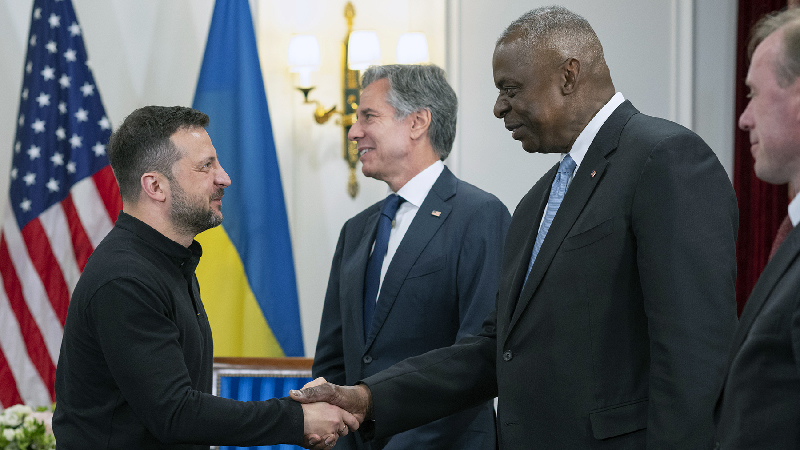
The Role of NATO and Global Alliances in the Ukraine Conflict
The Ukraine war has tested the resilience and unity of international alliances, particularly NATO. As one of Ukraine’s most prominent supporters, NATO has provided military aid, intelligence, and training to bolster the country’s defense against Russian aggression. The conflict has also prompted a reevaluation of NATO’s strategic priorities and its role in maintaining global security.
Strengthening Eastern Flanks
NATO has increased its military presence in Eastern Europe, deploying additional troops and conducting large-scale exercises in member states like Poland, Romania, and the Baltic countries. These actions aim to deter further Russian aggression and reassure NATO allies of the alliance’s commitment to collective defense under Article 5.
Ukraine’s NATO Aspirations
Ukraine’s desire to join NATO remains a contentious issue. While NATO has expressed support for Ukraine’s sovereignty, granting membership would likely escalate tensions with Russia. The alliance faces a delicate balancing act, supporting Ukraine without provoking direct conflict with a nuclear-armed adversary.
Global Repercussions
The conflict has also impacted other global alliances, such as the European Union and the United Nations. EU countries have imposed sanctions on Russia and increased defense spending, while the UN has faced criticism for its limited ability to enforce resolutions. The war has underscored the importance of multilateral cooperation in addressing complex geopolitical challenges.
As the conflict continues, the role of global alliances will remain crucial in shaping the outcome and ensuring long-term stability in the region.