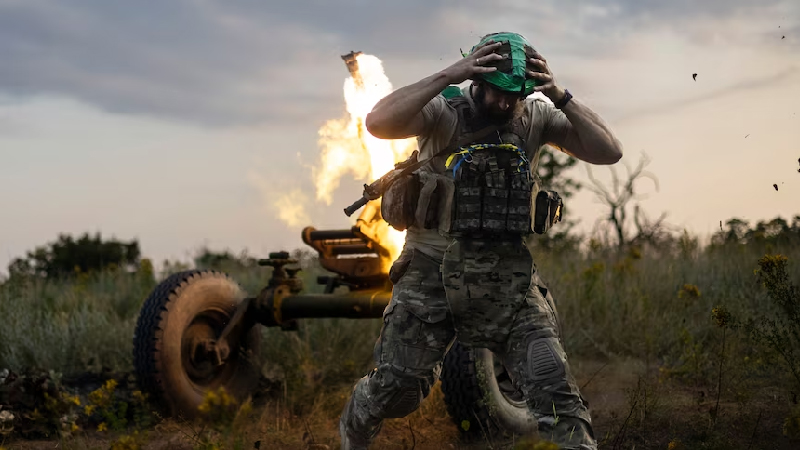
Military Strategies and Shifting Frontlines in the Ukraine War
As the Ukraine war drags on, both sides have adopted new military strategies to gain the upper hand. The conflict has seen everything from traditional ground warfare to sophisticated drone operations, reflecting the complexities of modern combat. The battlefield is constantly shifting, with key regions like Donetsk, Luhansk, and Kherson becoming focal points in the fight for territorial control.
The Role of Advanced Technology
Technology has played a crucial role in the conflict. Ukraine has effectively used drones for reconnaissance and targeted strikes, leveraging both commercial and military-grade models. Meanwhile, Russia has ramped up cyberattacks on Ukraine’s infrastructure, attempting to disrupt communications and critical services. The integration of high-tech weaponry, including precision-guided missiles, has reshaped the nature of warfare in the region.
Urban Warfare Challenges
Urban combat has been a defining feature of the conflict. Cities like Mariupol and Bakhmut have become symbolic battlegrounds, with intense fighting causing widespread destruction and civilian casualties. The challenges of urban warfare, including close-quarters combat and the use of improvised explosive devices, have led to high attrition rates on both sides.
International Military Support
Ukraine has received significant military aid from Western nations, including advanced weapons systems such as HIMARS, anti-tank missiles, and air defense systems. This support has bolstered Ukraine’s ability to launch counteroffensives and defend key territories. On the other hand, Russia has relied on a mix of conscripted soldiers and private military contractors, further complicating the conflict’s dynamics.
The prolonged nature of the war underscores the importance of strategy and adaptability. While both sides claim victories, the humanitarian and geopolitical costs continue to mount, leaving the world anxiously watching for signs of resolution.